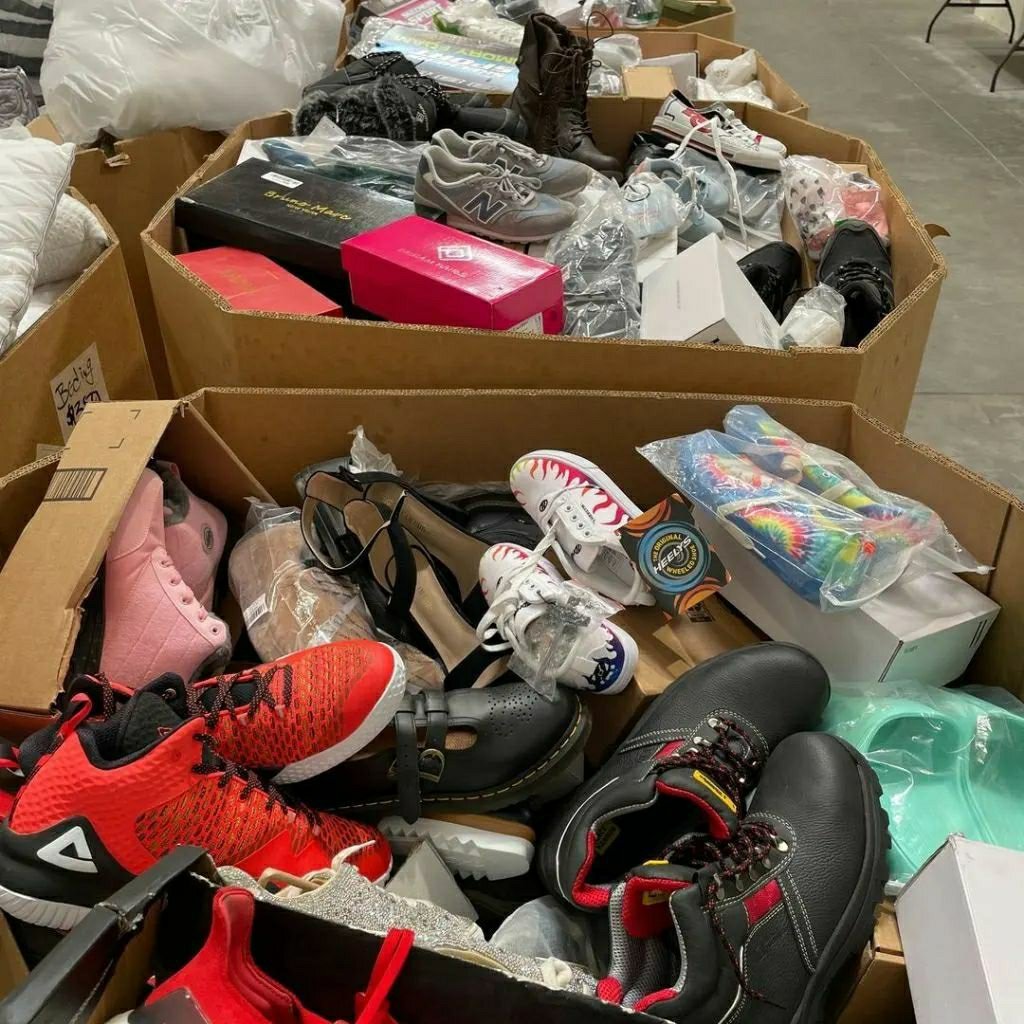
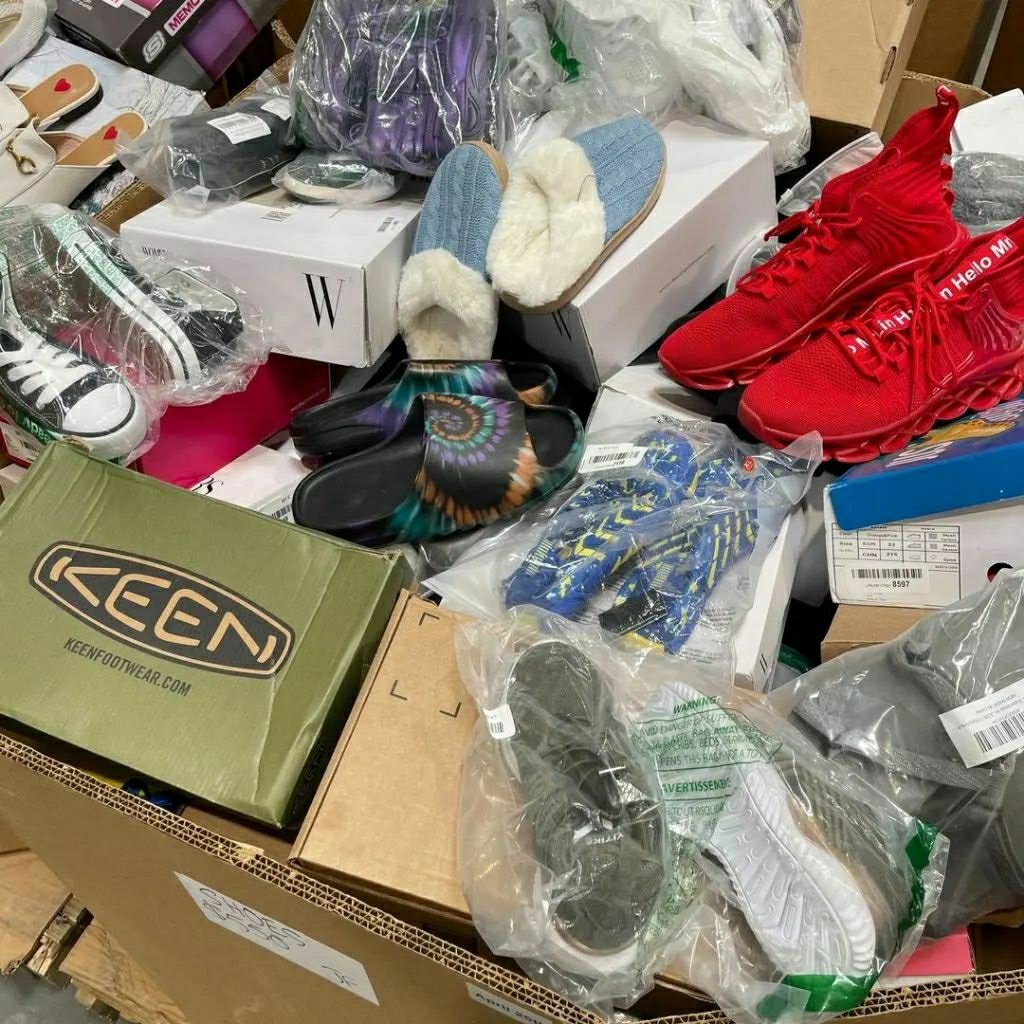
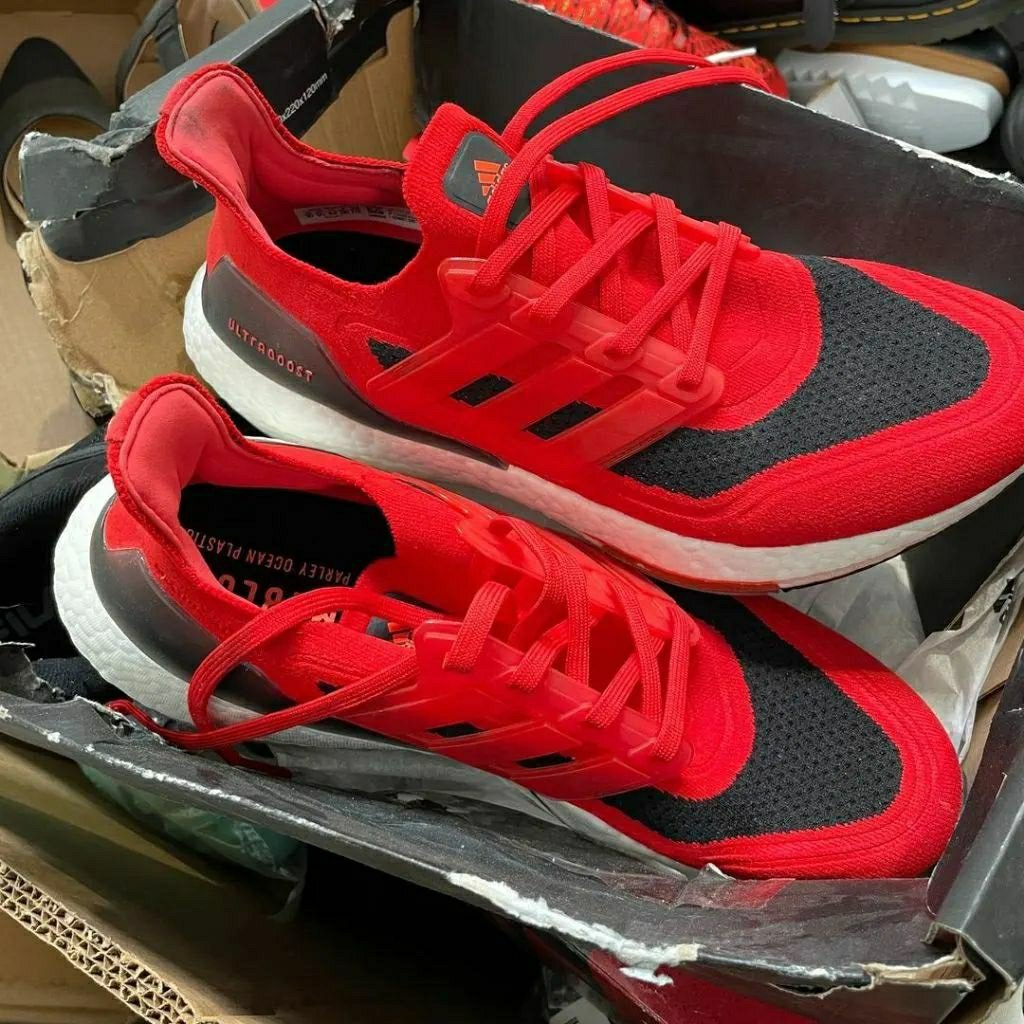
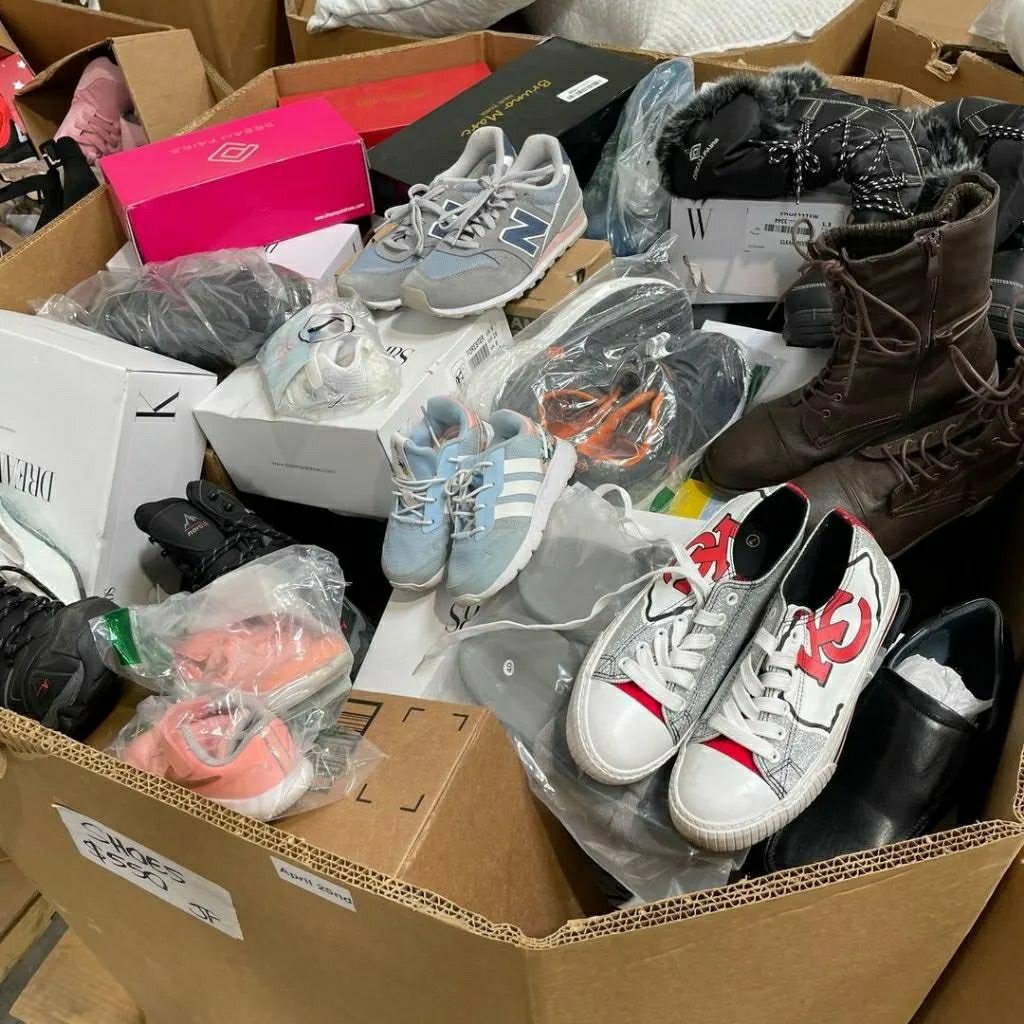

Buy Mixed Shoes Pallets are one of the most flexible and profitable ways to buy footwear in bulk, especially if you run a discount store, online shop, flea‑market stand, or export business. By targeting the keyword “Buy Mixed Shoes Pallets”, you attract serious buyers who want assorted shoe loads at wholesale or liquidation prices rather than individual pairs.
What Are Mixed Shoes Pallets?
A Mixed Shoes Pallet is a full pallet of assorted footwear stacked, boxed (or poly‑bagged), shrink‑wrapped, and sold as a single bulk lot. Instead of ordering a single brand or style, you receive a general mix of shoes, which can include:
-
Men’s, women’s, and kids’ shoes
-
Sneakers, casual shoes, dress shoes, sandals, and boots
-
Branded and unbranded pairs, depending on the source
-
A range of sizes, colors, and styles in one shipment
Because they’re “mixed,” these pallets are ideal for resellers who want variety and volume without dealing with multiple suppliers.
Why Buyers Search “Mixed Shoes Pallets”
The keyword Mixed Shoes Pallets shows clear transactional intent. Buyers using this term typically want to:
-
Purchase bulk footwear at a low cost per pair
-
Fill racks, shelves, or online listings quickly
-
Test different shoe categories and styles in their market
-
Build a repeatable sourcing pipeline for a shoe or general‑merchandise business
They are not looking for one pair of shoes; they are planning inventory, margins, and resale strategy.
Common Types of Mixed Shoes Pallets
Although every supplier builds pallets differently, most Mixed Shoes Pallets fall into a few broad categories:
-
Brand‑New Wholesale Pallets
-
New, unworn shoes in original boxes or polybags
-
Ideal for retailers who want clean, retail‑ready stock
-
-
Overstock / Shelf‑Pull Pallets
-
Unsold stock pulled from stores or warehouses
-
Often new, but boxes may have stickers, scuffs, or minor wear
-
-
Customer Returns / Mixed‑Condition Pallets
-
Footwear returned by customers (wrong size, tried‑on, lightly used, etc.)
-
Requires sorting, cleaning, and grading before resale
-
Your choice depends on your brand positioning, your customer expectations, and how much post‑processing work you can handle.
What’s Typically Inside Mixed Shoes Pallets?
Because they are assorted, the exact contents of Mixed Shoes Pallets vary, yet a typical load may include:
-
Sneakers and trainers for everyday wear
-
Casual and lifestyle shoes for men and women
-
Dress shoes for office or formal occasions
-
Sandals, slides, and flip‑flops for warm seasons
-
Boots and winter footwear in seasonally focused pallets
-
Children’s shoes in mixed size ranges
Many pallets combine multiple categories so you can serve different customers from a single purchase.
Benefits of Buying Mixed Shoes Pallets
When you choose to invest in Mixed Shoes Pallets, you unlock several advantages that directly impact your profit and growth.
1. Lower Cost per Pair
Buying shoes by the pallet almost always means a much lower cost per pair compared with buying small lots or single pairs. This allows you to:
-
Keep retail prices attractive and competitive
-
Still maintain healthy profit margins
-
Run promotions and clearance offers without destroying your margin
Over dozens or hundreds of pairs, that cost difference becomes significant profit.
2. Ready‑Made Variety
Mixed pallets give you:
-
Multiple styles and categories in one shipment
-
A mix of sizes, including popular and less common ones
-
Different colors and designs to appeal to various tastes
This variety helps you:
-
Build a complete footwear section from a single pallet
-
Test which styles sell best in your market
-
Encourage impulse and add‑on purchases both in‑store and online
3. Ideal for Multi‑Channel Selling
Once your Mixed Shoes Pallets arrive, you can distribute stock across several channels:
-
Physical stores, outlets, and market stalls
-
Online marketplaces and your own website
-
Social media live sales and local classifieds
-
B2B mini‑lots sold to smaller resellers
By using multiple channels at once, you improve sell‑through speed and diversify your revenue.
4. Time‑Saving, Scalable Sourcing
Instead of dealing with many small suppliers and orders:
-
You place one bulk order
-
Receive one or a few large pallets
-
Handle a single inbound logistics process
As your business grows, you can scale simply by adding more pallets or ordering more frequently, keeping your sourcing model straightforward and repeatable.
How to Choose the Right Mixed Shoes Pallets
Because pallets tie up capital, you should follow a clear selection process before buying.
1. Define Your Target Market
Ask:
-
Are you serving budget shoppers, fashion‑focused buyers, or both?
-
Are your customers mainly looking for sneakers, casual shoes, dress shoes, or kids’ shoes?
-
Are you selling mostly offline, online, or via export?
Your target market will guide whether you want pallets heavy in athletic shoes, fashion styles, family footwear, or a broad mix.
2. Understand Condition and Grade
Before you commit to Mixed Shoes Pallets, always clarify:
-
Are the shoes new, overstock, returns, or mixed condition?
-
How are they graded (for example, A/B/C, new/like‑new/used)?
-
Are there any notes on defects, mismatched pairs, or missing boxes?
If you don’t have time or staff to clean and repair shoes, focus more on new and overstock pallets. If you do, returns pallets may offer higher margins at a lower buy‑in cost.
3. Check Size and Style Mix
Even without a full manifest, try to get a rough idea of:
-
Size range distribution (men’s, women’s, kids’ sizes and common size runs)
-
Share of sneakers vs dress shoes vs sandals vs boots
-
Whether any recognized brands are included and roughly how many
A strong Mixed Shoes Pallet should contain enough popular sizes and wearable styles to sell through efficiently, not just extreme or hard‑to‑move sizes.
4. Calculate Your True Cost per Pair
To keep your purchase profitable:
-
Add pallet price plus shipping and any local handling or import fees.
-
Divide by the number of saleable pairs you realistically expect after sorting.
This gives your real cost per pair, which you compare with:
-
Planned retail prices
-
Platform fees if selling online
-
Your required margin to cover overhead and marketing
Only proceed when the numbers clearly support your profit goals.
Is Investing in Mixed Shoes Pallets Right for You?
Focusing on Buy Mixed Shoes Pallets is a strong strategy if you:
- Sell footwear or general merchandise online, offline, or both
- Have storage space and basic handling capacity for pallets
- Understand your local shoe demand and price points
- Want a scalable sourcing model where bulk buying reduces cost per pair and increases margin
When you combine the right pallets with efficient sorting, smart pricing, and strong promotions, Mixed Shoes Pallets can become a reliable, repeatable source of profit for your footwear or discount‑retail business.


Reviews
There are no reviews yet.