
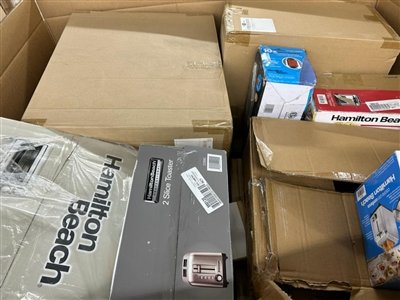

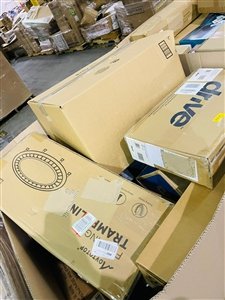
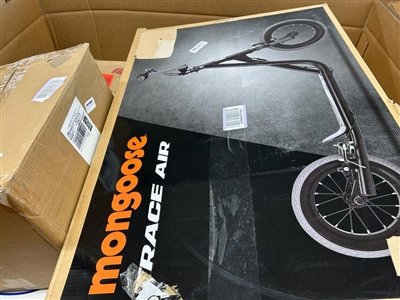

An Amazon medium pallet is one of the most popular choices for buyers who want a good balance between quantity, value, and manageable shipping and storage. Whether you’re a reseller, small retailer, or side‑hustler flipping liquidation stock, understanding how an Amazon medium pallet works will help you buy smarter and sell faster.
What is an Amazon Medium Pallet?
An Amazon medium pallet is a pallet-sized lot of mixed Amazon goods, usually sourced from overstock, shelf pulls, or customer returns. It typically measures around 48 x 40 inches, which is the standard pallet footprint used in most Amazon logistics operations. Because of its size, it carries a substantial amount of inventory without being as heavy or expensive to move as a full, oversized pallet.
Medium pallets are designed to offer:
-
A diverse mix of products
-
A moderate purchase price compared to truckloads or very large pallets
-
Easier handling with standard pallet jacks and forklifts
What’s Inside an Amazon Medium Pallet?
Most Amazon medium pallets come with a mixed assortment of products, which can vary depending on the seller or liquidation company. However, a typical medium pallet may include items such as:
-
Consumer electronics and small gadgets
-
Home goods and kitchen items
-
Clothing and apparel
-
Tools, toys, and accessories
The exact content depends on how the pallet is classified (general merchandise, electronics‑heavy, home & garden, etc.). Some suppliers allow basic category targeting, while others sell true “mystery” pallets with only a general description.
Key Specifications and Size Details
While “medium pallet” is a commercial description rather than a strict logistics term, most of these pallets follow standard pallet sizing.
-
Footprint: Around 48 x 40 inches (standard GMA pallet).
-
Height: Often built to be stackable but below the typical Amazon maximum of about 72 inches including the pallet.
-
Weight capacity: Standard pallets used in Amazon networks generally support up to 1,500 lbs (around 680 kg), though an individual medium liquidation pallet is often lighter.
Because of these dimensions, medium pallets are easier to ship via LTL and to store in smaller warehouses compared with taller, heavier pallets.
Why Buy an Amazon Medium Pallet?
If you’re looking to make a profitable and manageable purchase rather than a risky bulk investment, Amazon medium pallets strike a strong balance.
1. Lower Entry Cost
Compared to full truckloads or very large pallets, a medium pallet usually has a more accessible price point, making it ideal for new resellers who want to test the market without over‑committing capital.
2. Diverse Product Mix
Because medium pallets often contain mixed inventory, you can sell into multiple categories at once—electronics, household, apparel, and more—spreading risk across different product types.
3. Easier Handling and Storage
Standard pallet dimensions make it simple to transport, move, and store these pallets using regular equipment, and they fit well in smaller storage spaces or self‑storage units.
4. High Resale Potential
The combination of variety and volume gives you many individual SKUs to list on marketplaces like Amazon, eBay, or local platforms, increasing your chances of turning stock quickly.
Types of Amazon Medium Pallets
When you shop for an Amazon medium pallet, you’ll often see a few common types:
-
Customer Returns Pallet: Mixed items that have been returned by customers; may include open‑box or lightly used products.
-
Overstock/Excess Inventory Pallet: New items that didn’t sell through at retail or were cleared out for new stock.
-
Shelf‑Pull or Clearance Pallet: Products removed from shelves due to packaging changes, seasonality, or minor damage.
Each type has different risk and reward: overstock tends to be cleaner but more expensive, while returns can offer higher margins with more sorting and testing.
How to Choose the Right Amazon Medium Pallet
To make your purchase both transactional and strategic, consider the following factors before you buy:
1. Manifest Availability
Whenever possible, choose pallets with a manifest—a product list showing estimated quantities, categories, and sometimes MSRP. A manifest helps you calculate potential resale value before you commit.
2. Category Focus
Some buyers prefer more predictable categories, such as mainly electronics or mainly home goods. If you already know your niche, select pallets that align with your existing audience and sales channels.
3. Condition Grading
Check how the seller grades the pallet:
-
New / Like New
-
Grade A/B returns
-
Uninspected returns
Better grades typically cost more but reduce the time spent on repairs and testing.
4. Supplier Reputation
Buy only from suppliers or liquidation companies with clear descriptions, reliable photos, and solid reviews. Established sellers are more likely to follow consistent standards for how “medium pallet” is defined and packed.
Is an Amazon Medium Pallet Right for You?
An Amazon medium pallet is ideal if you:
- Want significant inventory without committing to a full truckload
- Prefer a mixed product range to test what sells best
- Need a pallet that’s manageable to move, store, and process
- Are building or scaling a resale, discount, or liquidation business
By understanding the size, content expectations, and buying strategy behind Amazon medium pallets, you can confidently place an order that fits your budget and capacity—and then turn that pallet into consistent, repeatable profit.
Reviews
There are no reviews yet.