
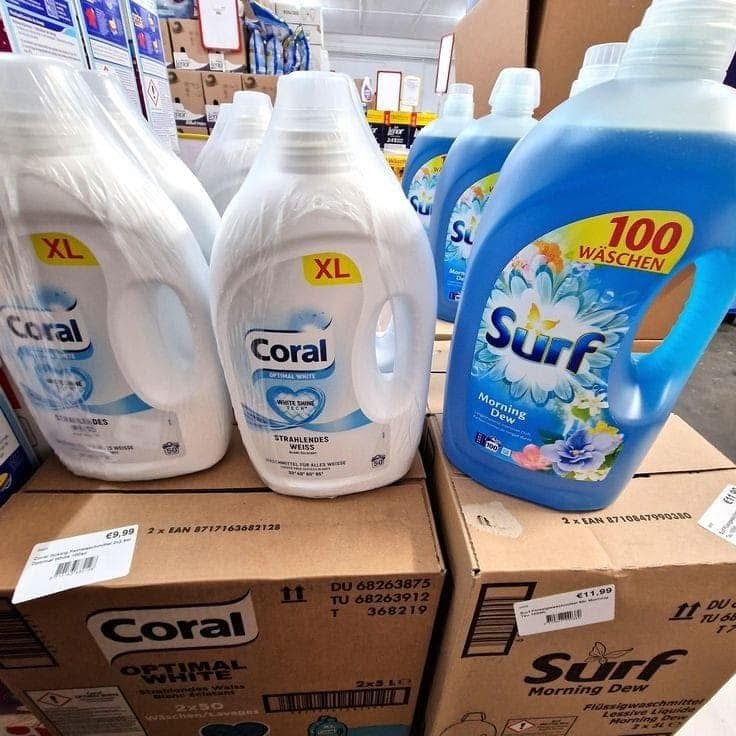
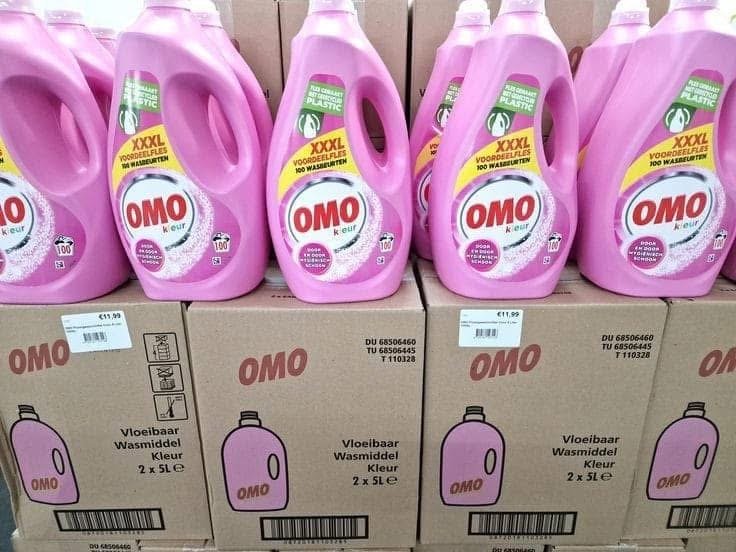
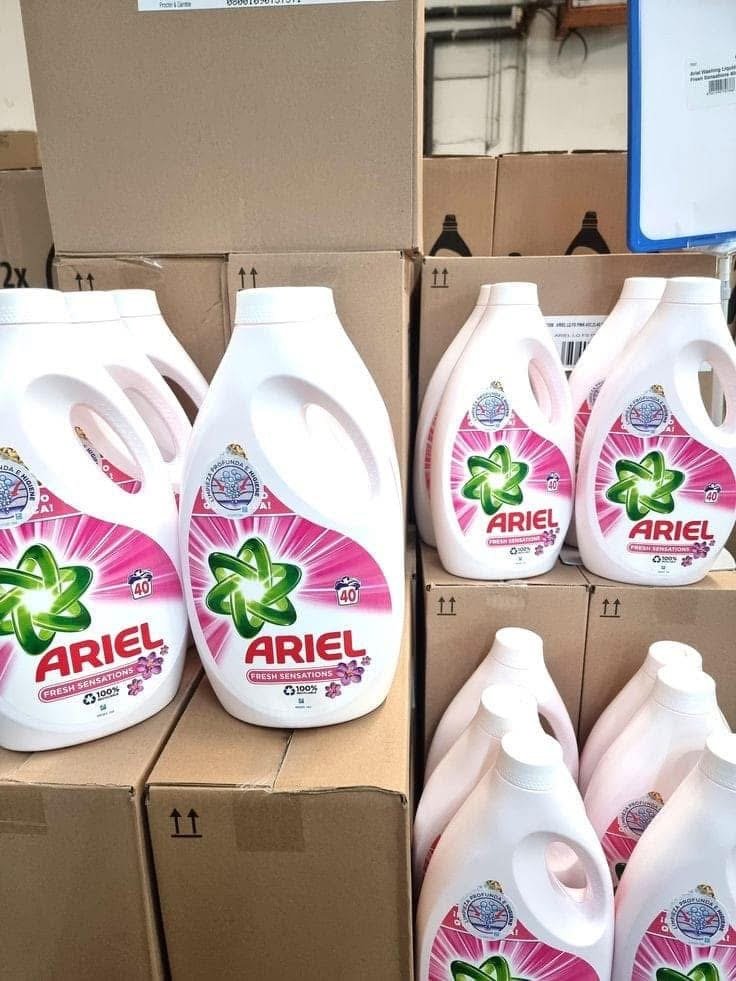

Detergent pallets for Sale are one of the most efficient and profitable ways to source cleaning products in bulk, especially if you run a supermarket, convenience store, online shop, or wholesale operation. By targeting detergent pallets, you reach buyers who are ready to purchase large quantities at once rather than case by case.
What are Detergent Pallets?
A detergent pallet is a full pallet load of laundry or cleaning detergents stacked and shrink‑wrapped on a wooden or plastic base, then sold as a single bulk unit. Typically, these pallets can include:
-
Liquid laundry detergents in bottles or jugs
-
Powder detergents in bags or boxes
-
Laundry pods or capsules in tubs or pouches
-
Fabric softeners and boosters (sometimes mixed in the load)
-
Multi‑surface or dish detergents in certain mixed cleaning pallets
Instead of ordering a few cartons at a time, you receive an entire pallet, which can supply your store or distribution network for weeks or months, depending on your sales volume.
Why Buyers Choose Detergent Pallets for Sale
The search term detergent pallets clearly reflects transactional intent. Buyers using this keyword usually want to:
-
Purchase detergent in bulk at wholesale or liquidation pricing
-
Secure a stable stock of essential cleaning products
-
Resell detergents individually, by case, or in bundles with strong margins
-
Simplify their supply chain with fewer, larger deliveries
Since detergent is a fast‑moving, everyday essential, pallets provide both volume and reliability.
Types of Detergent Pallets
When you look for detergent pallets, you’ll generally find several main types:
-
Brand‑New Wholesale Pallets
-
Fresh, in‑date stock from manufacturers or distributors
-
Ideal for retail stores and serious online sellers
-
-
Overstock / Surplus Pallets
-
Unsold inventory from retailers or distributors
-
Often close‑dated, seasonal, or packaging‑change items at a discount
-
-
Liquidation / Mixed Pallets
-
May include a mix of brands, sizes, and sometimes other cleaning products
-
Best for deep‑discount markets and buyers willing to handle assorted stock
-
Choosing the right type depends on your target customer, your price point, and how important branding and presentation are to your business.
What’s Inside a Typical Detergent Pallet for Sale?
The exact contents depend on the supplier and the deal, but a standard detergent pallet can include:
-
Multiple cases of the same detergent brand and size (single‑SKU pallet)
-
A mix of different scents or variants from one brand (e.g., “fresh,” “sensitive,” “color care”)
-
Assorted brands and formats (liquid, powder, pods) in a general cleaning pallet
This structure allows you to choose between:
-
Uniform pallets that are easy to price and stock
-
Assorted pallets that give your customers more choice in one delivery
Benefits of Buying Detergent Pallets
When you decide to invest in detergent pallets, you unlock several key advantages that directly impact your profitability.
1. Lower Cost per Unit
Bulk purchasing usually means wholesale or better‑than‑wholesale pricing. As a result:
-
Your acquisition cost per bottle, box, or tub drops significantly
-
You can stay competitive on shelf prices while keeping healthy margins
-
You gain room for promotions, multi‑buy offers, and loyalty discounts
Over a full pallet, even a small cost difference per unit can add up to substantial profit.
2. High, Constant Demand
Detergent is a non‑discretionary, repeat‑purchase product. Households, laundromats, hotels, and institutions all need it regularly. This ongoing demand means:
-
Faster stock turnover compared to many non‑essential goods
-
Predictable re‑ordering cycles
-
Less risk of products sitting unsold, especially with popular brands and sizes
Because of this, detergent pallets are often a stable backbone product for many wholesalers and retailers.
3. Ideal for Multi‑Channel Distribution
Once your pallet arrives, you can distribute stock across multiple channels:
-
Retail shelves in supermarkets, minimarts, and hardware or agro shops
-
Online listings on your own site and marketplaces
-
B2B supply to hotels, laundries, offices, and cleaning companies
-
Local resale to smaller retailers who cannot buy a full pallet themselves
This flexibility helps you move volume quickly and diversify your customer base.
4. More Efficient Logistics
Working with pallets simplifies your operations:
-
Fewer deliveries to schedule and receive
-
Easier handling with pallet jacks or forklifts
-
Better warehouse organization and inventory counting
All of this reduces handling time and logistics cost per unit.
How to Choose the Right Detergent Pallets
Because pallets represent meaningful capital, you should follow a simple checklist before you buy.
1. Define Your Target Market
Ask yourself:
-
Are you primarily serving household shoppers, commercial clients, or both?
-
Do your customers prefer premium brands, value brands, or a mix?
-
Are you focused on sensitive‑skin, eco‑friendly, or mainstream detergents?
Your answers will guide whether you choose brand‑specific pallets, value‑brand pallets, or mixed loads.
2. Check the Product Composition
When possible, request or review:
-
The approximate number of units per pallet
-
The mix of formats (liquid, powder, pods)
-
The pack sizes (small bottles versus bulk jugs)
For example, smaller bottles might be better for supermarket shelf sales, while larger jugs and bulk bags may suit B2B or institutional clients.
3. Verify Dates and Storage Requirements
Detergents often have best‑before or production dates, especially for certain formulations. Therefore:
-
Confirm remaining shelf life, especially if you plan to hold stock for a while
-
Ensure you can meet required storage conditions—typically cool, dry areas away from direct sunlight
-
Avoid pallets with too many short‑dated items unless the discount clearly covers the risk
Good dating protects your reputation and reduces write‑offs.
4. Calculate True Cost per Unit
To keep your detergent pallets purchase profitable:
-
Add together pallet cost, freight, insurance, and any handling or import fees.
-
Divide by the total number of saleable units.
This gives your real cost per unit, which you can compare against your planned selling prices and competitors’ shelf prices.
Are Detergent Pallets for Sale Right for Your Business?
Investing in detergent pallets makes sense if you:
- Sell fast‑moving consumer goods (FMCG) in retail, wholesale, or online channels
- Have warehouse or storage space to handle pallets safely
- Want a stable product category with repeat demand and predictable re‑ordering
- Prefer a scalable model where bulk purchasing reduces cost per unit and increases overall margin
Reviews
There are no reviews yet.